
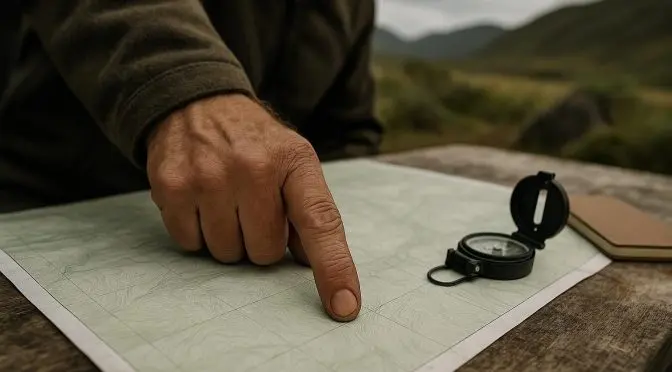
The most overlooked preparation detail is usually not equipment. It is knowing who controls the ground, which rules apply and what your guide expects when an animal appears under poor conditions. A short conversation before departure can prevent illegal entry, a rushed shot or a dangerous disagreement in the field. Use this checklist before committing your time and money, then keep the same questions active throughout the hunt.
Confirm access before discussing opportunity
An unfamiliar property may involve private ownership, a lease, a Native corporation holding, public land or several boundaries crossed during one trip. Do not assume that a map pin, landing site or previous season's route proves current access. Ask who granted permission, where it begins and ends, and whether aircraft, boats, vehicles or foot travel require separate authorization.
Request a clear explanation of the hunting area without expecting sensitive location details. You should understand the boundaries for which you are responsible, the places you must not enter and what happens if weather or an animal moves the hunt toward another parcel. A guide who cannot explain the access arrangement plainly has not given you enough information to make a responsible decision.
Ask whether local restrictions are stricter than general rules. Waste requirements, camp practices, aircraft use and landowner conditions can affect the hunt even when the season is open.
Verify the rules that apply now
Alaska hunting regulations are not permanent trip documents. Seasons, permits, tag requirements, legal methods, salvage duties, reporting rules and area boundaries may change. Emergency orders or special restrictions can also alter the situation after you make plans. Verify current requirements through the relevant official Alaska guidance before traveling, and ask your guide which documents must be carried in the field.
Responsibility remains with the hunter. A guide can explain local practice and help you stay organized, but that does not transfer your legal duty. Check the species, hunt area, dates, license and tags against current official material. Confirm that your permit covers the exact area and whether required registration or reporting must be completed before or after the hunt.
Do not rely on a months-old screenshot, forum comment or rule remembered from a prior visit. Keep current information available and resolve unclear points before departure.
Set guide communication standards early
Good guide communication is specific, not ceremonial. Agree on how instructions will be given in dense cover, from a boat, across a basin or when wind prevents normal conversation. Establish the meaning of simple commands, who makes the final call on movement and when the hunt pauses because visibility, footing or animal identification is inadequate.
Discuss your experience honestly. Your guide needs to know whether you are comfortable with long hours of glassing, difficult weather, uneven ground and delayed opportunities. Do not exaggerate your ability to avoid appearing inexperienced; that can create pressure at the wrong moment.
Ask how decisions will be handled if you see an animal first, the guide cannot confirm its species or sex, or the animal is moving toward cover. You should never feel pushed to shoot because travel was expensive or the season is short. Agree in advance that "not sure" means wait.
Make the ethical decision before the animal appears
Ethical bear hunting starts with criteria set while the situation is calm. Know what makes an animal legally eligible, whether the guide can positively identify it, whether the background and shooting direction are safe and whether follow-up would be practical if the first shot does not produce an immediate result.
A legal opportunity is not automatically a responsible one. Pass when distance, light, weather, wind, terrain or vegetation prevents reliable identification or a precise shot. Pass when another animal, person, aircraft, boat or structure creates an unacceptable background concern. Pass when you cannot explain where the animal will likely go or how the guide would reach the site safely.
Do not let the desire for a full day or a long journey turn uncertainty into permission. A clean decision made early is better than a rushed decision defended afterward.
Check the property for signs of pressure
Before hunting unfamiliar property, read the ground as evidence rather than scenery. Ask about recent human activity, baiting or attractants where relevant, camps, cabins, trails, aircraft traffic and other hunters. Fresh tracks, unusual avoidance behavior or concentrated disturbance may not prove a problem, but they should prompt questions about whether the area is suitable and how animals are being approached.
Conservation is not limited to the harvest. Keep camp clean, secure food and waste as directed, avoid unnecessary disturbance and follow the guide's plan for carcass handling and transport. Do not cross sensitive ground merely to improve a photograph or gain a closer view. The property may support wildlife, residents and future hunting opportunity long after your trip ends.
If you notice an apparent violation, unsafe practice or access conflict, record the facts without escalating the situation. Raise the issue with the guide and use the appropriate land manager or official reporting channel when necessary.
Use one final pre-trip check
Run through this list before leaving home:
– Current license, tags, permits and identification are confirmed for the exact area.
– Access permission, property boundaries and alternate landing or travel plans are understood.
– The guide knows your experience, limitations and personal shot standards.
– Communication signals, emergency procedures and stop-or-wait instructions are clear.
– You know which regulations and official notices must be checked again before departure.
– You have agreed that uncertain identification, an unsafe background or poor recovery conditions mean no shot.
– Camp, waste, meat or hide handling and reporting duties are understood.
The final question is simple: can you describe the responsible choice you will make when the opportunity is imperfect? If the answer depends on pressure, guesswork or a rule someone vaguely remembers, preparation is unfinished. Good planning does not guarantee an animal or easy weather. It gives you a sound basis for deciding when to proceed, wait or walk away.